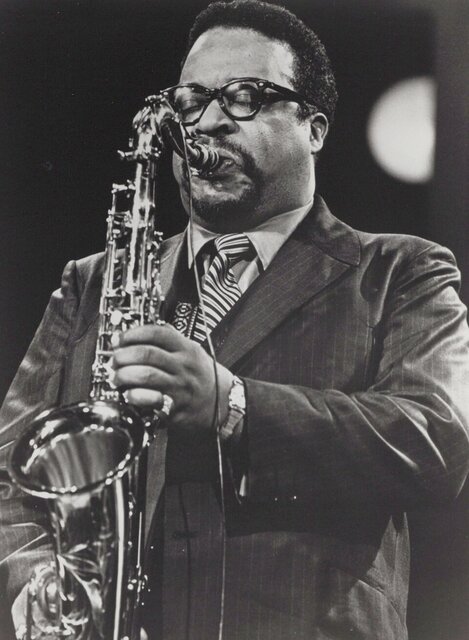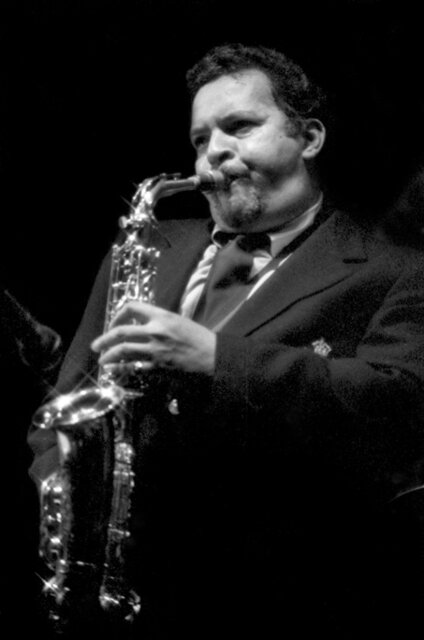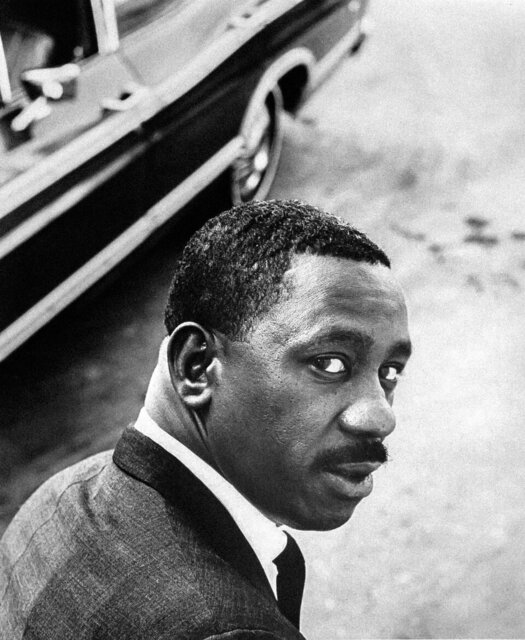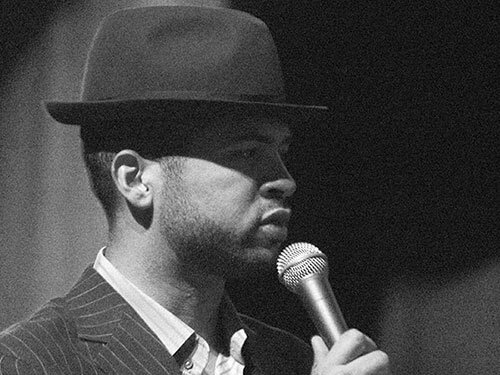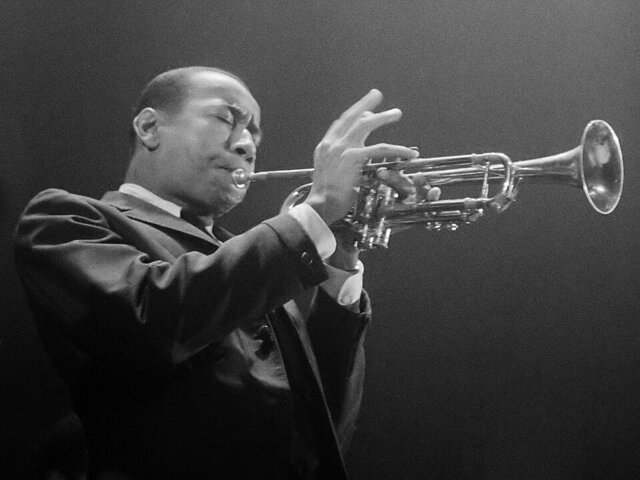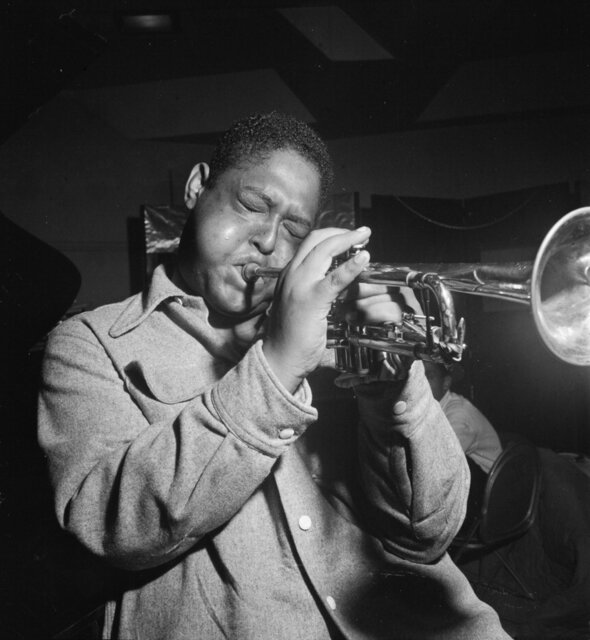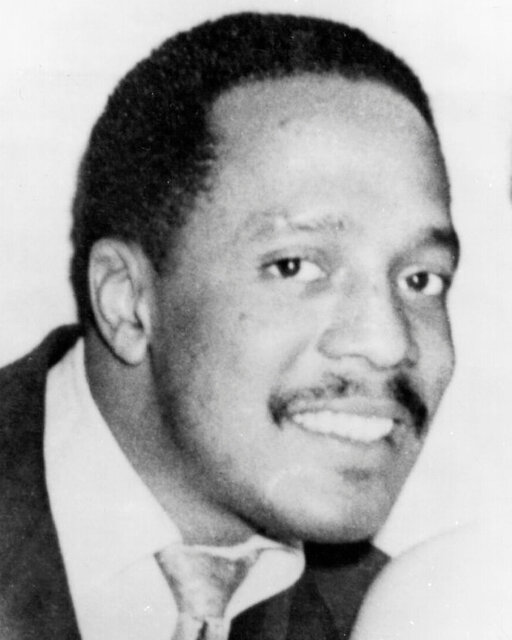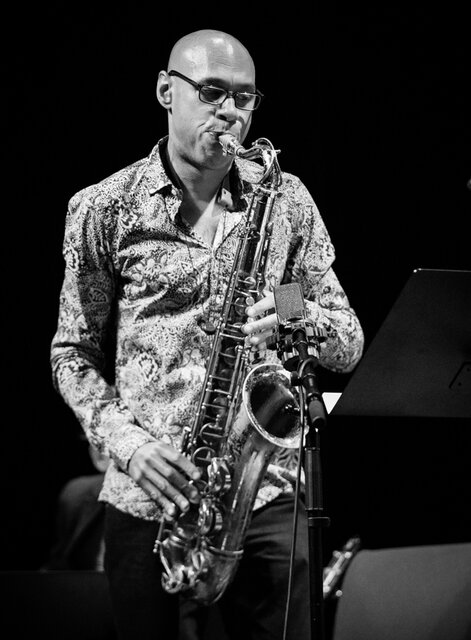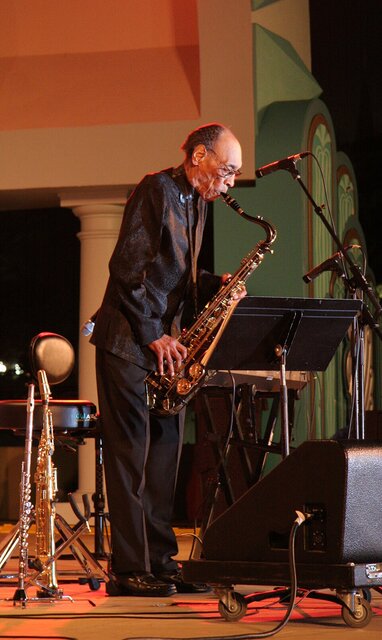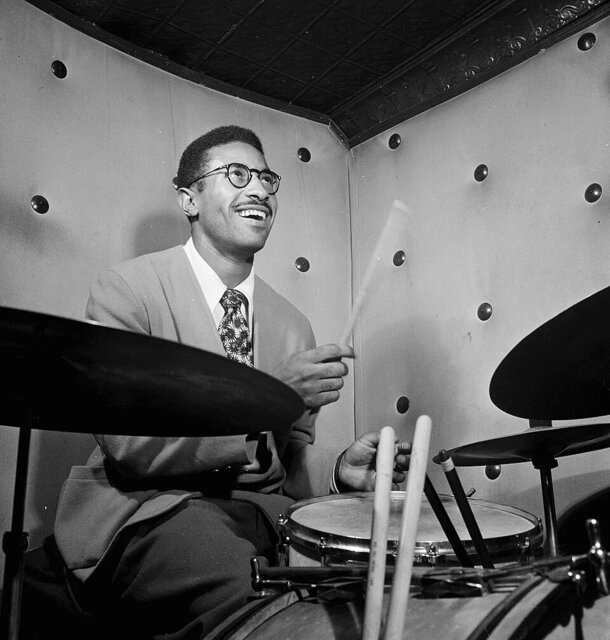
Pepper Adams
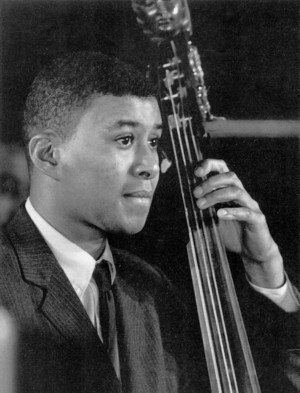
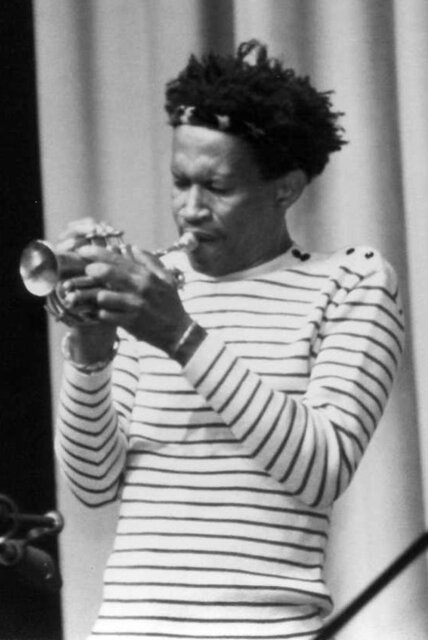
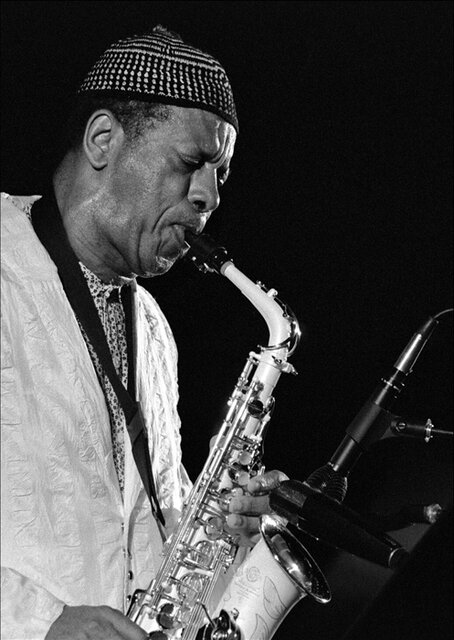
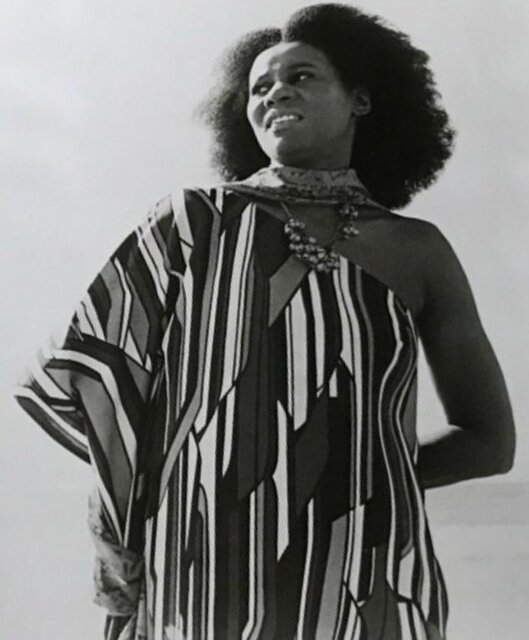
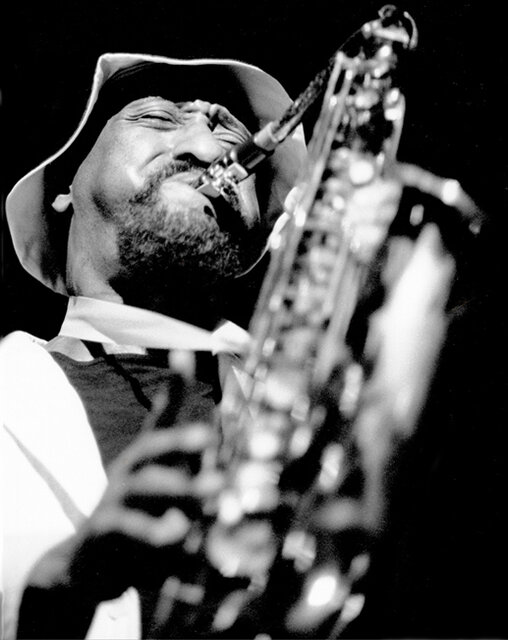
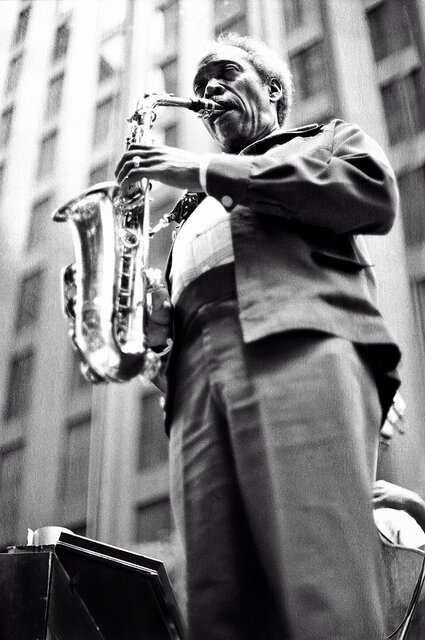
Baritone saxophonist prized for a gritty, agile hard-bop attack. A frequent Blue Note-era sideman and co-leader with Thad Jones.
Primary browse
Curated A–Z roster of 126 hard-bop, post-bop, and modern jazz voices — aesthetic inspiration, not a label catalog.
Educational curated stubs — paraphrased from public facts. Not a Blue Note catalog. Not affiliated with Blue Note Records.
Bios are short educational paraphrases from public facts. Instrument and era chips are secondary filters — A–Z is primary.
Baritone saxophonist prized for a gritty, agile hard-bop attack. A frequent Blue Note-era sideman and co-leader with Thad Jones.
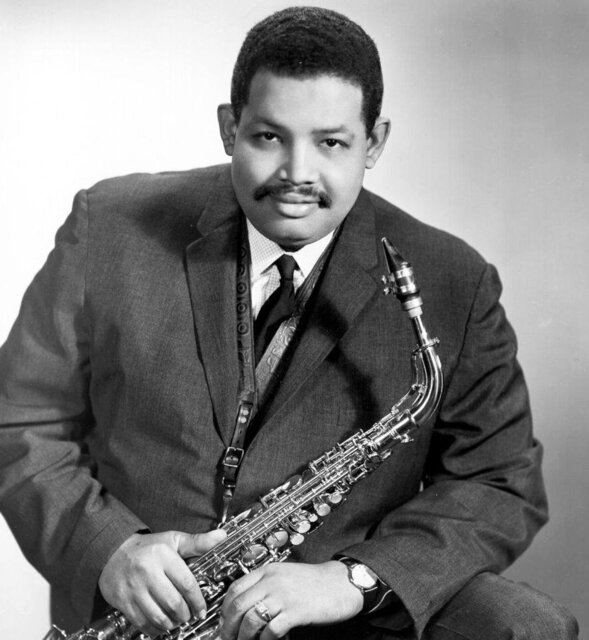
Alto saxophonist whose buoyant hard-bop groups helped define the soulful side of 1950s–60s jazz. Best known for albums such as Somethin’ Else and the live Mercy, Mercy, Mercy era.
Cannonball Adderley, 1966 press photo. Public domain via Wikimedia Commons.
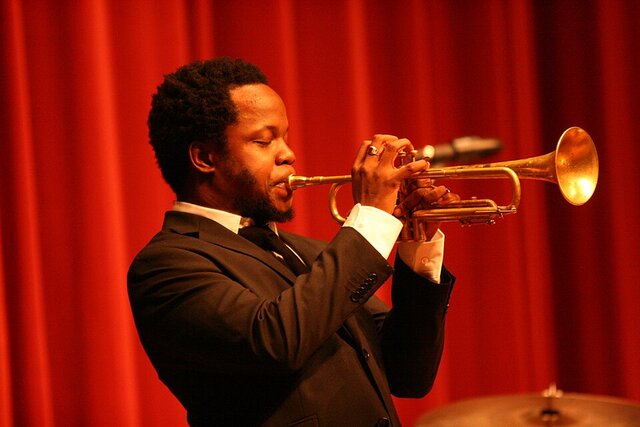
Trumpeter and composer whose contemporary groups blend post-bop language with lyrical, spacious writing.
Ambrose Akinmusire, 2011. Photo: Bob Doran. CC BY 3.0 via Wikimedia Commons.
Pianist and composer who bridged post-bop language with open, contemporary forms. Influential as a bandleader, educator, and collaborator across generations.
Geri Allen. Photo: Pablosecca. CC BY-SA 3.0 via Wikimedia Commons.
Tenor saxophonist with a big, blues-drenched tone. Nicknamed “Jug,” he helped carry the tough-tenor tradition from bebop into hard bop and soul jazz.
Gene Ammons. Photo: PBS. Public domain via Wikimedia Commons.
Harpist who brought jazz harp into hard-bop and soul-jazz listening paths — a pioneering voice on the instrument.
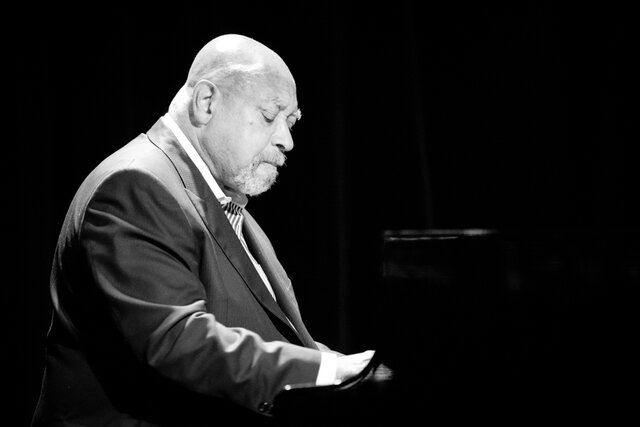
Pianist and educator whose elegant touch spans hard bop, standards, and long-running contemporary collaborations.
Kenny Barron, 2018. Photo: Tore Sætre. CC BY-SA 4.0 via Wikimedia Commons.
Alto saxophonist whose career spans hard bop, Miles Davis electric groups, and spiritual/post-bop projects. Continues as an active bandleader and educator.
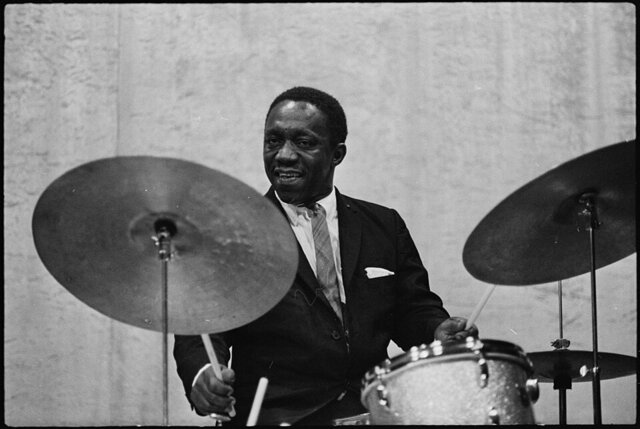
Drummer and Jazz Messengers leader whose bands mentored waves of hard-bop talent. His driving polyrhythms and press rolls became a school of their own.
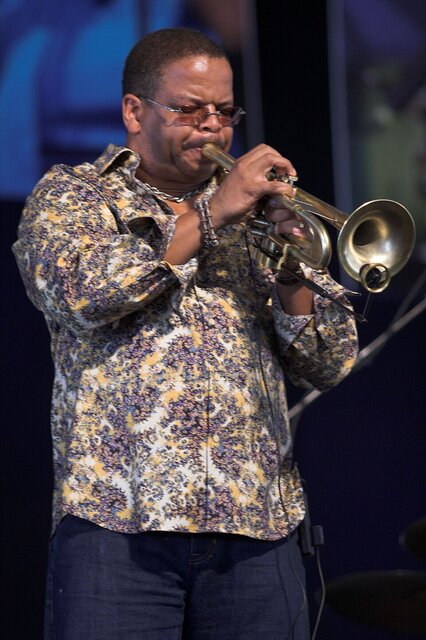
Trumpeter and film composer who carries post-bop brass language into contemporary jazz and cinematic scores.
Terence Blanchard, 2007. Photo: Derek Bridges New Orleans, LA. CC BY 2.0 via Wikimedia Commons.
Tenor saxophonist associated with late-1950s hard bop. Recorded as a leader and sideman in a compact, highly regarded discography.
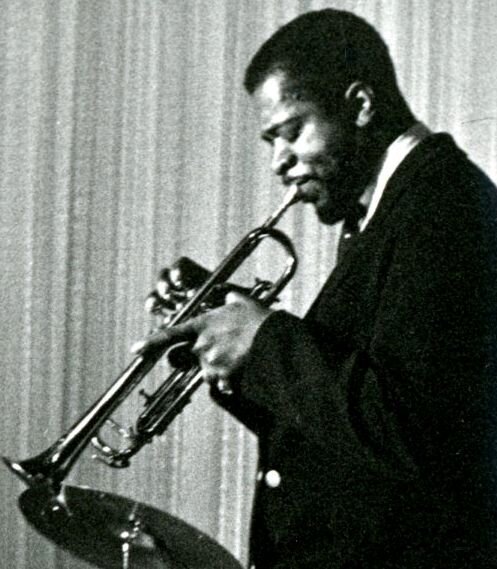
Trumpeter whose lyricism and technical clarity reshaped hard-bop brass. Partnered with Max Roach in a landmark mid-1950s quintet before his early death.
Guitarist known for warm tone and blues-informed hard-bop phrasing. A first-call session player and durable bandleader across decades.
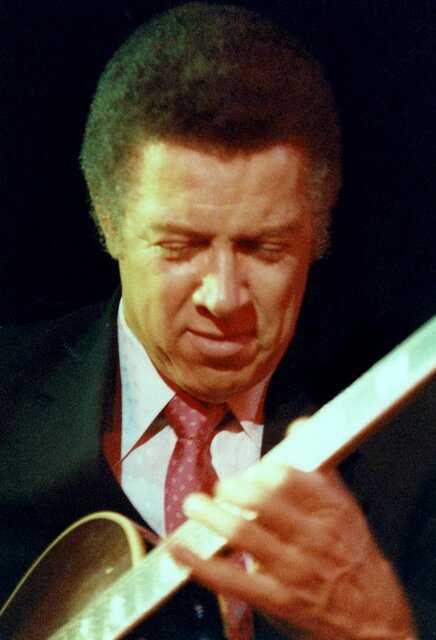
Kenny Burrell. Photo: vernon.hyde. CC BY-SA 2.0 via Wikimedia Commons.
Trumpeter who moved from hard-bop sessions into electric and funk-inflected jazz. A prolific Blue Note-era leader and later a bridge to fusion audiences.
Donald Byrd. Photo: Mallory1180. CC BY-SA 4.0 via Wikimedia Commons.
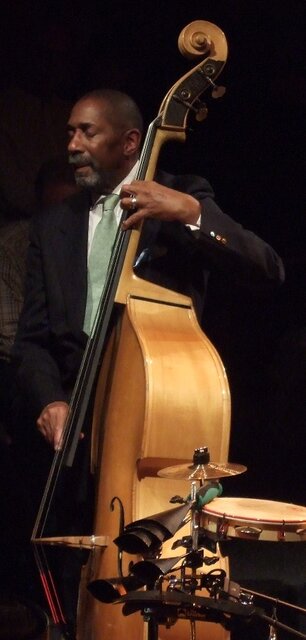
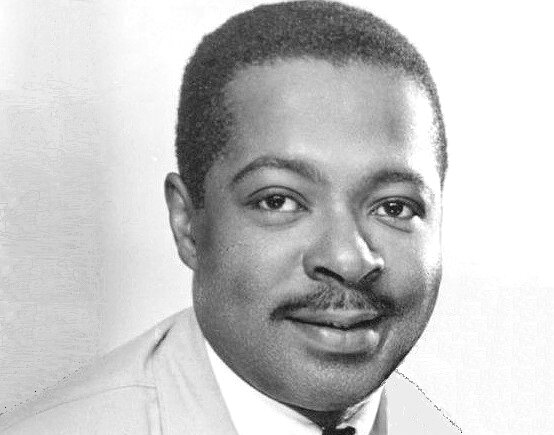
Bassist whose time feel and melodic lines anchored Miles Davis’s mid-1960s quintet and countless sessions since. Among the most recorded bassists in jazz.
Bassist central to 1950s–60s hard bop and Miles Davis’s first great quintet. Known for arco solos and rock-solid walking lines.
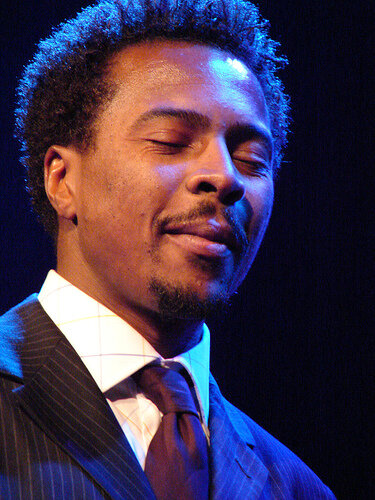
Paul Chambers. Photo: Intromusic11. CC BY-SA 3.0 via Wikimedia Commons.
Trumpeter and pocket-cornet pioneer who helped open free jazz and later explored global improvisation.
Don Cherry, 1987. Photo: jazzenthusiast. Public domain via Wikimedia Commons.
Pianist of the late-1950s hard-bop scene, prized for bluesy touch and classic Blue Note-era sessions.
Tenor saxophonist who held the chair in Miles Davis’s early-1960s band. A hard-bop stylist with a big sound and long teaching legacy.
Alto saxophonist and composer who opened free jazz’s harmonic doors while retaining blues fire. Harmolodic concepts reshaped modern improvisation.
Ornette Coleman. Photo: Geert Vandepoele. CC BY-SA 2.0 via Wikimedia Commons.
Pianist, organist, and harpist who fused post-bop with spiritual and modal frameworks. Her 1970s recordings remain touchstones for contemplative jazz.
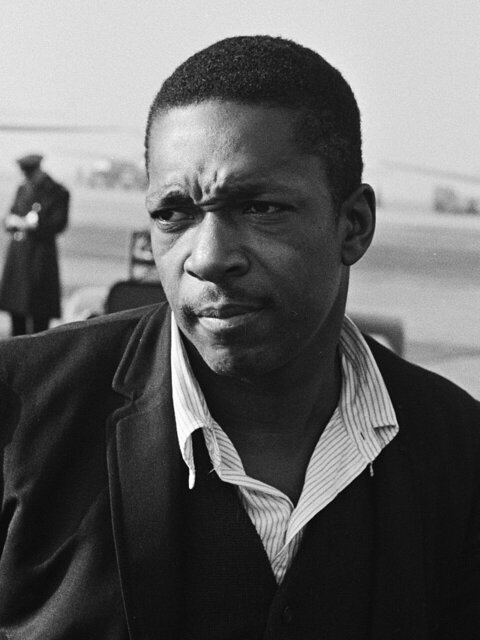
Tenor and soprano saxophonist whose sheets-of-sound intensity and spiritual late work reshaped modern jazz. Milestone to Ascension charts a vast arc.
John Coltrane, 1963. Photo: Hugo van Gelderen / Anefo. CC0 via Wikimedia Commons.
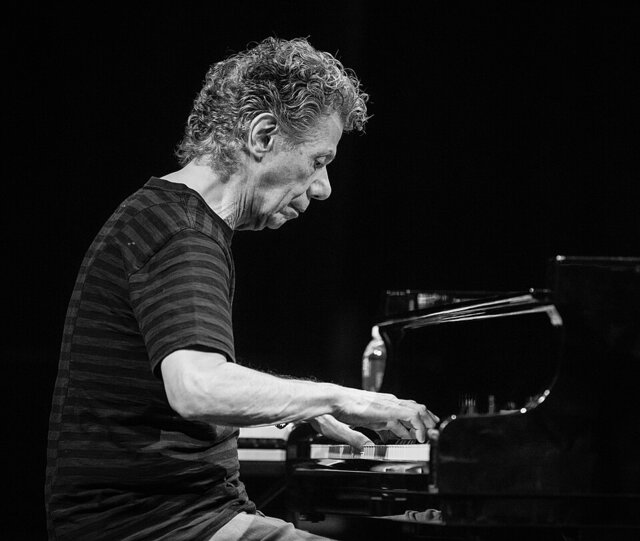
Pianist and composer spanning acoustic post-bop, Return to Forever fusion, and electric experimentation. A prolific bandleader across six decades.
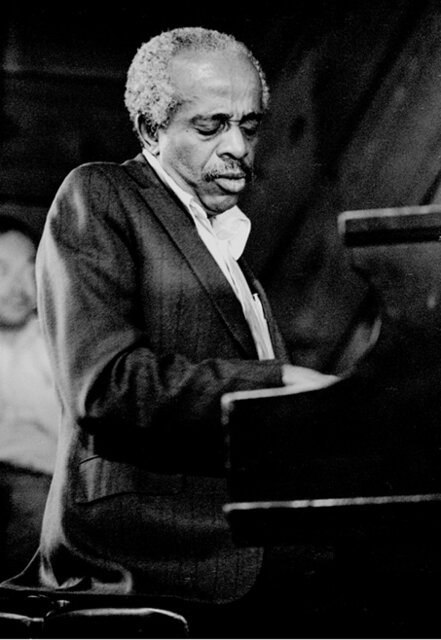
Chick Corea, 2018. Photo: Tore Sætre. CC BY-SA 4.0 via Wikimedia Commons.
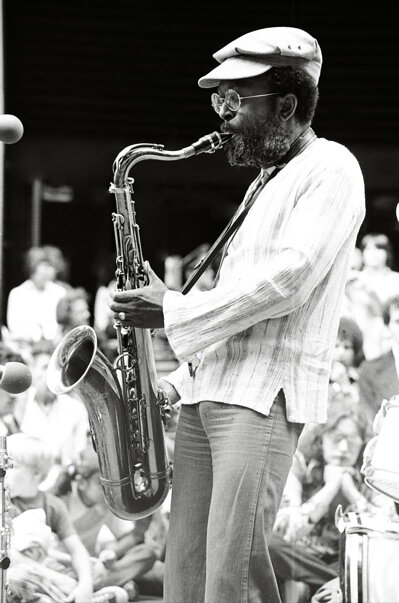
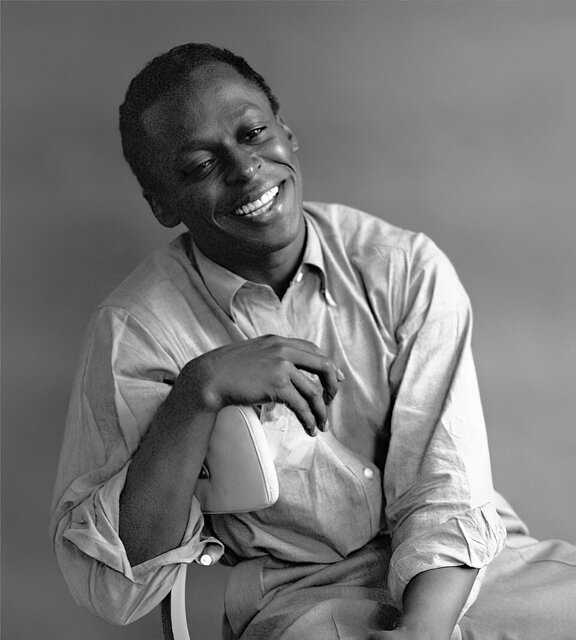
Trumpeter and bandleader who continually reinvented small-group jazz—from cool and hard bop through modal, electric, and beyond. A defining 20th-century voice.
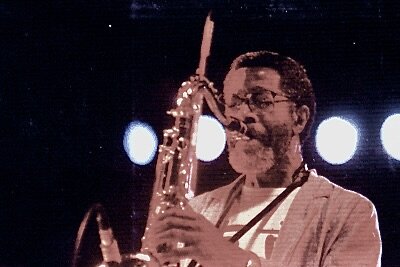
Miles Davis. Photo: Tom Palumbo. CC BY-SA 2.0 via Wikimedia Commons.
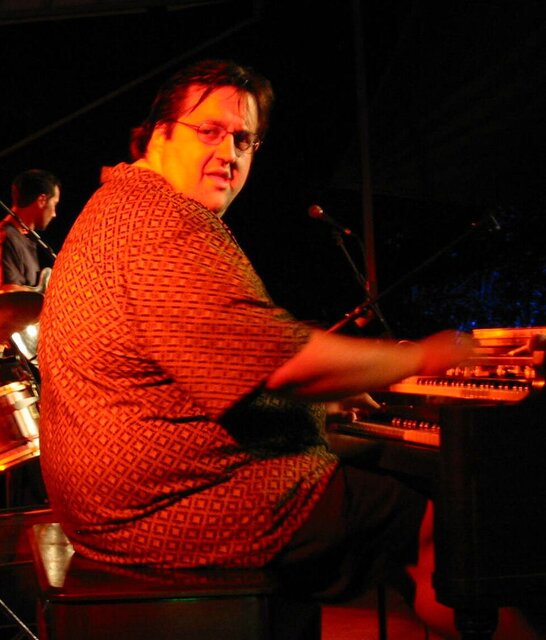
Organist who carried the hard-bop organ-trio tradition into contemporary jazz with a powerful Hammond voice.
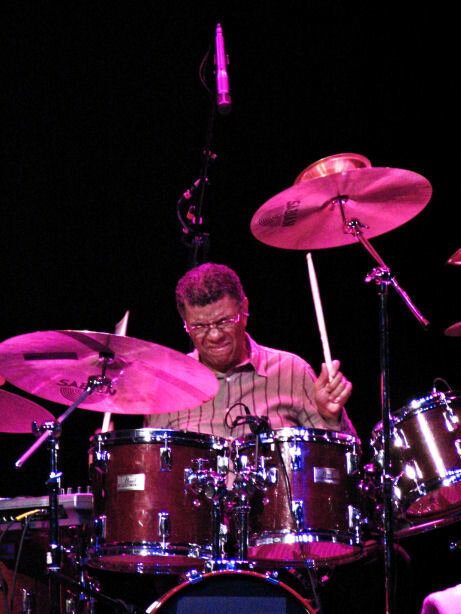
Drummer whose elastic pulse powered Miles Davis electric bands and Keith Jarrett’s Standards Trio. Also an accomplished pianist and composer.
Jack DeJohnette, 2006. Photo: Ric Brooks Knoxville, USA. CC BY-SA 2.0 via Wikimedia Commons.
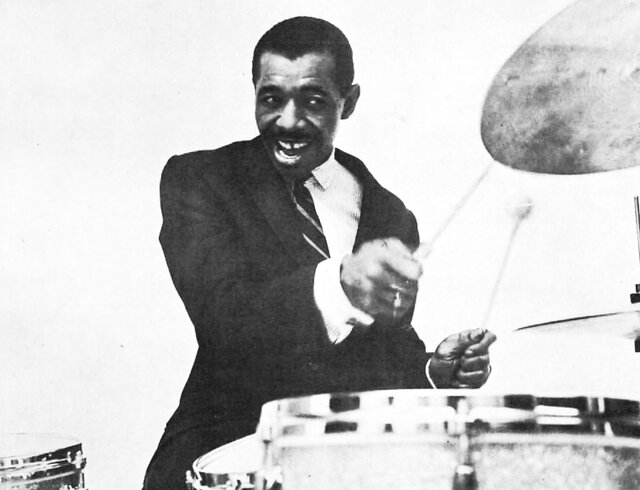
Multi-reed player whose angular lines and bass-clarinet voice expanded post-bop vocabulary. Key collaborator with Coltrane, Mingus, and Booker Little.
Eric Dolphy. Photo: None listed. Public domain via Wikimedia Commons.
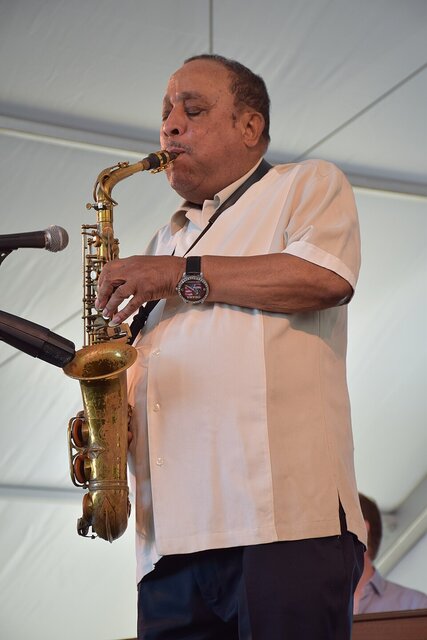
Alto saxophonist who brought Charlie Parker’s language into soulful hard bop and organ-combo settings. A long-running Blue Note-era favorite.
Lou Donaldson. Photo: Todd Van Hoosear. CC BY-SA 2.0 via Wikimedia Commons.
Trumpeter and composer of hard-bop classics such as Blue Bossa. A Jazz Messengers alum and understated lyricist of the 1950s–60s scene.
Tenor saxophonist with a keening, Texas-rooted cry. Closely associated with Charles Mingus and a series of hard-bop leader dates.
Guitarist spanning contemporary jazz, fusion, and television house-band leadership. Continues as a composer and acoustic/electric bandleader.
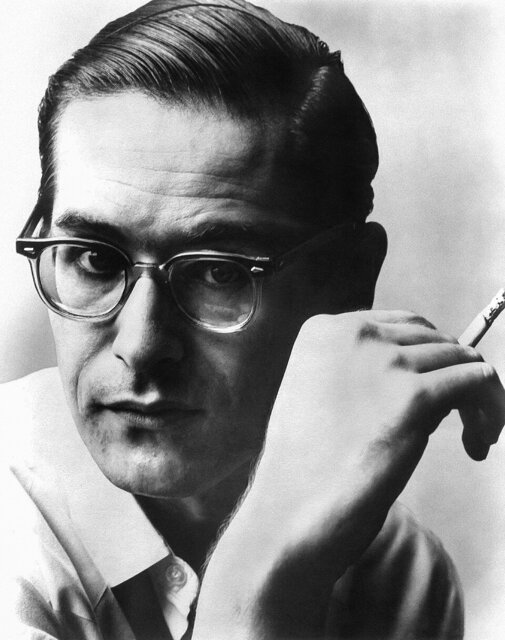
Pianist whose impressionistic touch and trio interplay redefined modern jazz piano. Kind of Blue collaborator and architect of conversational trio jazz.
Bill Evans, 1961. Photo: Steve Schapiro. Public domain via Wikimedia Commons.
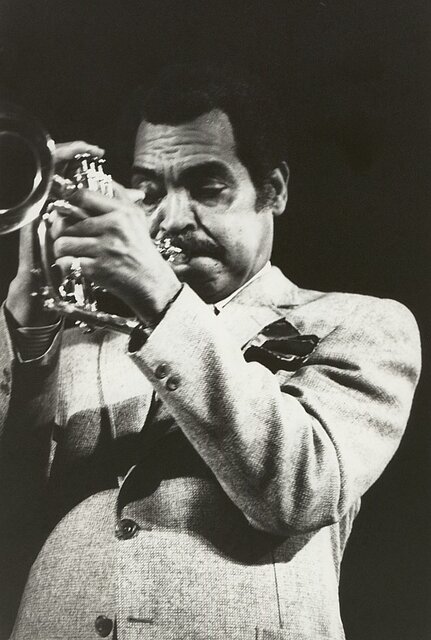
Trumpeter and flugelhornist known for warm tone across hard-bop and lyrical post-bop settings.
Art Farmer. Photo: vernon.hyde. CC BY-SA 2.0 via Wikimedia Commons.
Vocalist whose improvisational mastery and songbook interpretations set a lasting standard for jazz singing.
Pianist known for elegant touch and deep bebop/hard-bop vocabulary. Longtime accompanist to Ella Fitzgerald and a refined trio leader.
Trombonist central to hard-bop brass sections, including Art Blakey’s Messengers. A composer and enduring session voice of the era.
Curtis Fuller. Photo: Photo by Tom Pich. Public domain via Wikimedia Commons.
Pianist of Miles Davis’s mid-1950s quintet, known for block chords and buoyant hard-bop swing.
Red Garland, 1978. Photo: Brian McMillen. CC BY-SA 3.0 via Wikimedia Commons.
Alto saxophonist who apprenticed with Miles Davis’s late bands and built a powerful contemporary post-bop voice. Known for intensity and melodic clarity.
Kenny Garrett. Photo: Daniel Shen Taipei, Taiwan. CC BY-SA 2.0 via Wikimedia Commons.
Trumpeter and bebop co-architect whose bent-bell horn and Afro-Cuban experiments shaped modern jazz. Mentored generations after the 1940s breakthrough.
Pianist and keyboardist bridging contemporary jazz, R&B, and hip-hop-informed ensemble work.
Robert Glasper, 2006. Photo: Ed Newman. CC BY 2.0 via Wikimedia Commons.
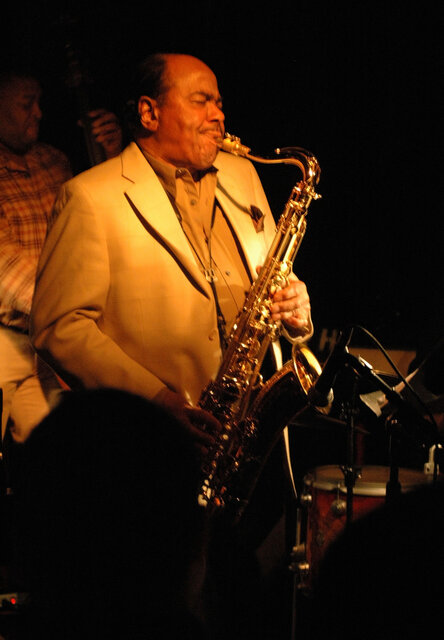
Tenor saxophonist and composer of standards such as Whisper Not and Killer Joe. Jazz Messengers alumnus and longtime Jazztet co-leader.
Benny Golson, 2006. Photo: Ed Newman. CC BY 2.0 via Wikimedia Commons.
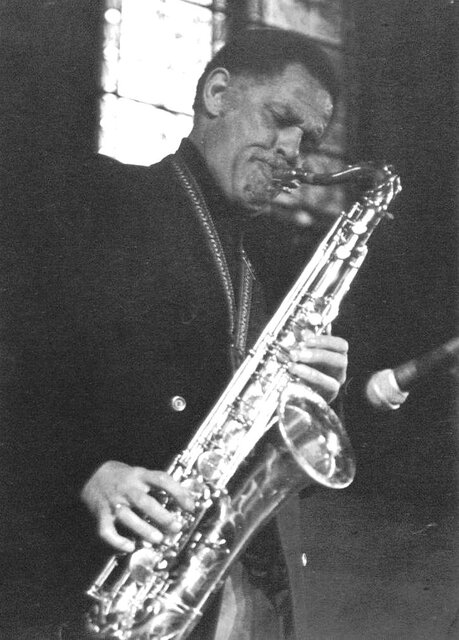
Tenor saxophonist with a towering tone and storytelling ballad style. Bridged bebop and hard bop, with a celebrated late-career return from Europe.
Dexter Gordon. Photo: Albert Kok. Public domain via Wikimedia Commons.
Guitarist whose single-note lines defined a lean hard-bop and soul-jazz guitar sound. A prolific Blue Note-era leader and sideman.
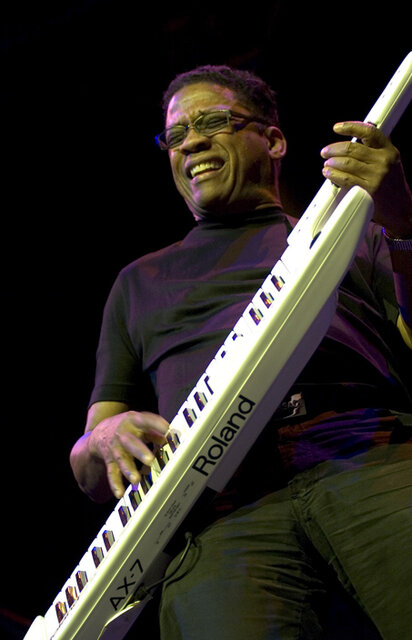
Pianist and composer from Miles’s second great quintet to Head Hunters and beyond. A restless innovator across acoustic and electric jazz.
Herbie Hancock. Photo: Pix Gremlin. CC BY 2.0 via Wikimedia Commons.
Trumpeter who renewed hard-bop language for the 1990s and beyond, with forays into Latin and R&B-tinged projects. A widely mourned generational voice.
Roy Hargrove, 2006. Photo: Bob Travis. CC BY-SA 2.0 via Wikimedia Commons.
Pianist and lifelong bebop educator who carried Bud Powell’s language into hard-bop and teaching practice.
Barry Harris, 1981. Photo: Brian McMillen. CC BY 3.0 via Wikimedia Commons.
Tenor saxophonist, composer, and arranger central to bebop and hard-bop reed traditions across decades.
Jimmy Heath, 1977. Photo: Tom Marcello. CC BY-SA 2.0 via Wikimedia Commons.
Tenor saxophonist with a dry, probing tone and compositional depth. Hard-bop roots blossomed into influential 1960s–90s leader dates.
Joe Henderson, 1987. Photo: Pino alpino. CC0 via Wikimedia Commons.
Drummer whose dancing ride cymbal lifted Ornette Coleman, hard-bop dates, and countless Blue Note sessions. Beloved for feel and smile-in-the-beat swing.
Billy Higgins, 1978. Photo: Brian McMillen. CC BY-SA 3.0 via Wikimedia Commons.
Pianist-composer whose angular, advanced hard-bop and post-bop writing stood apart in the 1960s. Later resurfaced to wide critical acclaim.
Vocalist whose phrasing and emotional directness reshaped jazz and popular song interpretation.
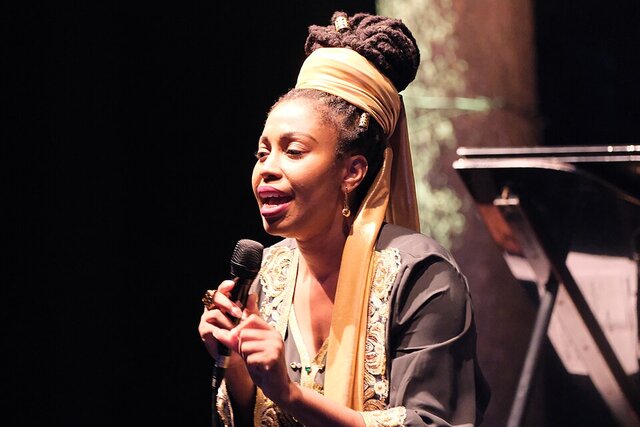
Vocalist rooted in classic jazz repertoire while building a distinctive contemporary career.
Jazzmeia Horn. Photo: Adem. CC BY 4.0 via Wikimedia Commons.
Trumpeter of blazing technique and hard-bop fire who later explored fusion. A defining brass voice of the 1960s avant-hard-bop spectrum.
Freddie Hubbard, 1976. Photo: Tom Marcello. CC BY-SA 2.0 via Wikimedia Commons.
Vibraphonist who brought modern harmony and open forms to the instrument. Central to 1960s post-bop and a lifelong lyrical improviser.
Bobby Hutcherson, 2007. Photo: Nadworks at English Wikipedia. Public domain via Wikimedia Commons.
South African pianist and composer (formerly Dollar Brand) whose hymn-like themes fuse Cape Town roots with post-bop. A major global jazz voice.
Pianist renowned for solo concerts and the Standards Trio. Spans gospel-tinged post-bop, free playing, and classical repertoire.
Trombonist who brought bebop fluency to the instrument and remained a hard-bop brass benchmark.
J. J. Johnson. Photo: H. N. White Company. Public domain via Wikimedia Commons.
Drummer whose polyrhythmic surge powered John Coltrane’s classic quartet. Redefined modern jazz drumming with circular, multi-layered time.
Drummer of Miles Davis’s first great quintet, famed for crisp snare and hard-bop drive. A model of mid-century small-group drumming.
Philly Joe Jones, 1964. Photo: Gretsch. Public domain via Wikimedia Commons.
Trumpeter, cornetist, and composer-arranger; co-led the Thad Jones/Mel Lewis Orchestra. Hard-bop soloist with a lasting big-band book.
Pianist with a buoyant, bluesy touch heard with Miles Davis and on countless hard-bop dates. His trio with Paul Chambers and Jimmy Cobb is legendary.
Wynton Kelly. Photo: Shaw Artists Corporation, New York. Public domain via Wikimedia Commons.
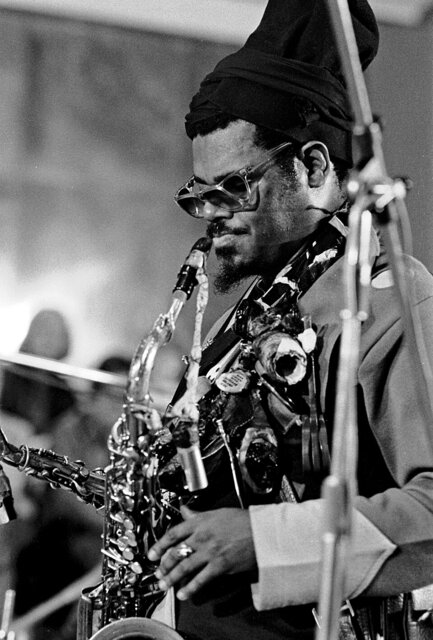
Multi-instrumentalist who played several horns at once and fused hard bop with theatrical, socially charged performance. A singular post-bop showman.
rahsaan-roland-kirk, 1972. Photo: Heinrich Klaffs. CC BY-SA 2.0 via Wikimedia Commons.
Tenor saxophonist of the Clifford Brown–Max Roach quintet and West Coast hard bop. Later co-led groups with Bobby Hutcherson.
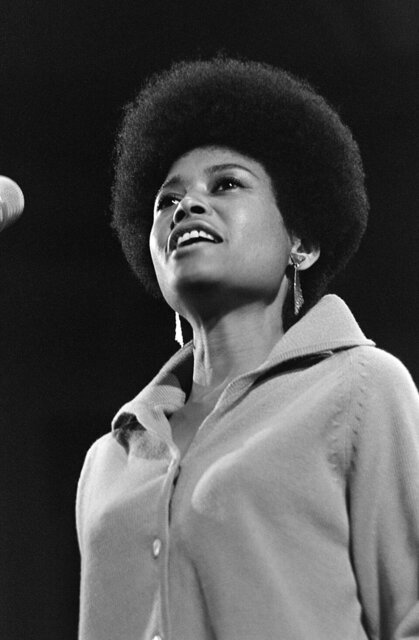
Vocalist and songwriter whose work fused jazz improvisation with civil-rights-era urgency. Collaborator with Max Roach and a powerful late-career composer.
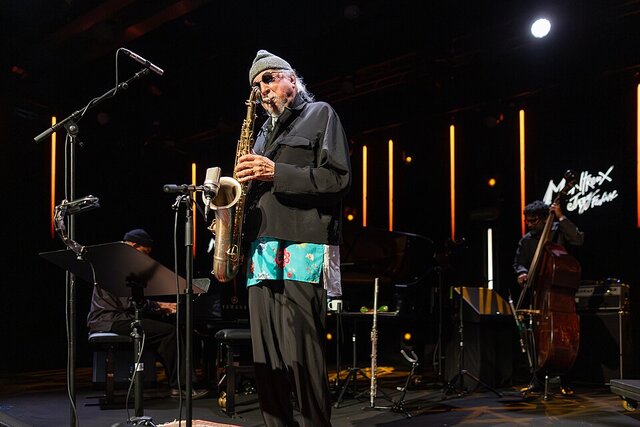
Tenor saxophonist and flutist who brought post-bop to 1960s festival crowds, then returned with meditative ECM-era work. A bridge across jazz generations.
Charles Lloyd, 2026. Photo: Quejaytee. CC BY-SA 4.0 via Wikimedia Commons.
Tenor saxophonist rooted in hard bop who expanded into free and orchestral settings. A major contemporary leader and Blue Note-era presence.
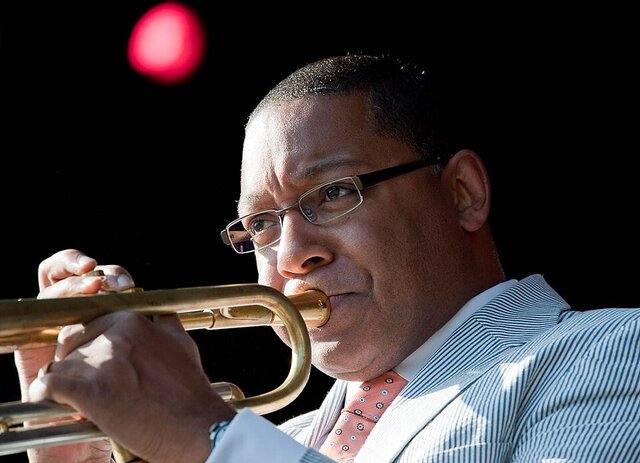
Trumpeter, composer, and educator who renewed hard-bop and swing traditions for contemporary audiences.
Wynton Marsalis. Photo: Eric Delmar. Public domain via Wikimedia Commons.
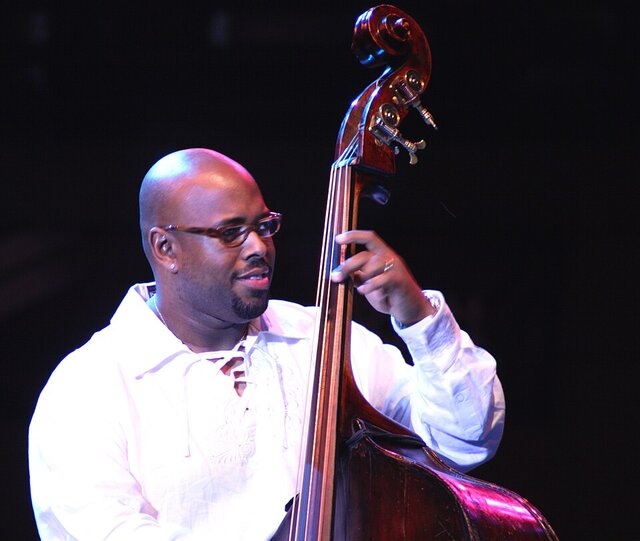
Bassist equally at home in hard bop, big band, and contemporary projects. A leading modern rhythm-section voice and festival artistic director.
Christian McBride, 2009. Photo: Brian Callahan. CC BY-SA 2.0 via Wikimedia Commons.
Alto saxophonist with a sharp, crying tone who moved from hard bop toward freer forms. Influential educator and Blue Note-era bandleader.
Jackie McLean. Photo: Brian McMillen. CC BY-SA 3.0 via Wikimedia Commons.
Pianist whose trio vocabulary blends post-bop with classical and pop repertoire. A defining acoustic voice of contemporary jazz piano.
Brad Mehldau, 2001. Photo: Björn Milcke. Public domain via Wikimedia Commons.
Pianist of deep post-bop vocabulary, admired as a sideman and leader with a singing touch.
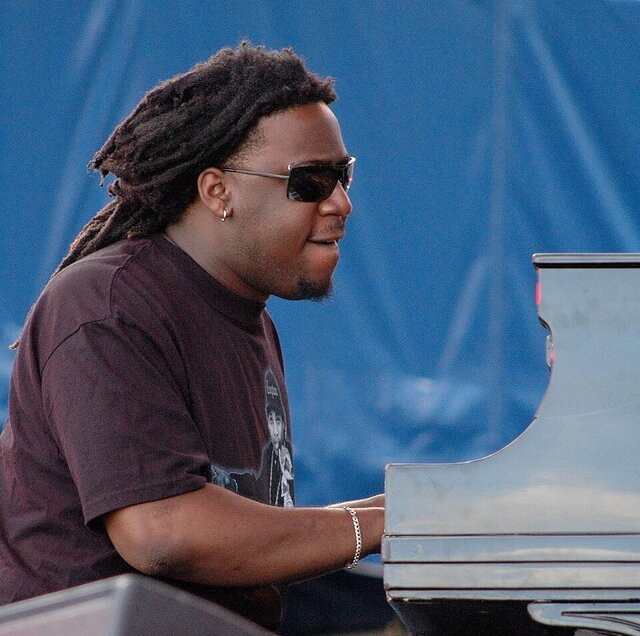
Mulgrew Miller. Photo: Bob Travis Casco, Maine, USA. CC BY-SA 2.0 via Wikimedia Commons.
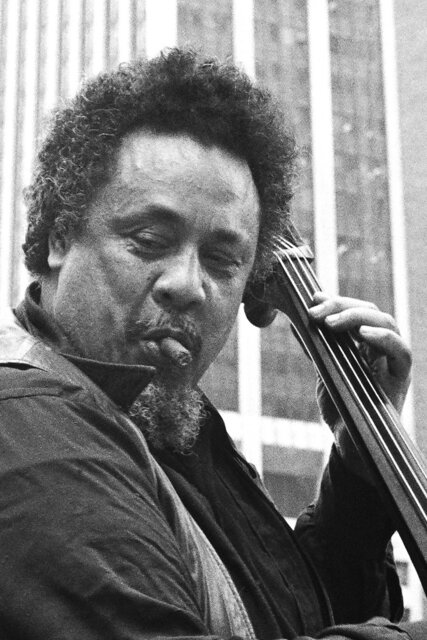
Bassist, composer, and bandleader whose ensembles mixed gospel, blues, bebop, and protest. A towering, turbulent force in modern jazz.
Charles Mingus, 1976. Photo: Tom Marcello (derivative: Emdee). CC BY-SA 2.0 via Wikimedia Commons.
Trumpeter of Horace Silver’s classic quintet and a warm hard-bop soloist. Later explored soul-jazz and studio work with equal poise.
Tenor saxophonist called the “middleweight champion” of hard bop for his rounded, melodic lines. A prolific Blue Note-era composer-leader.
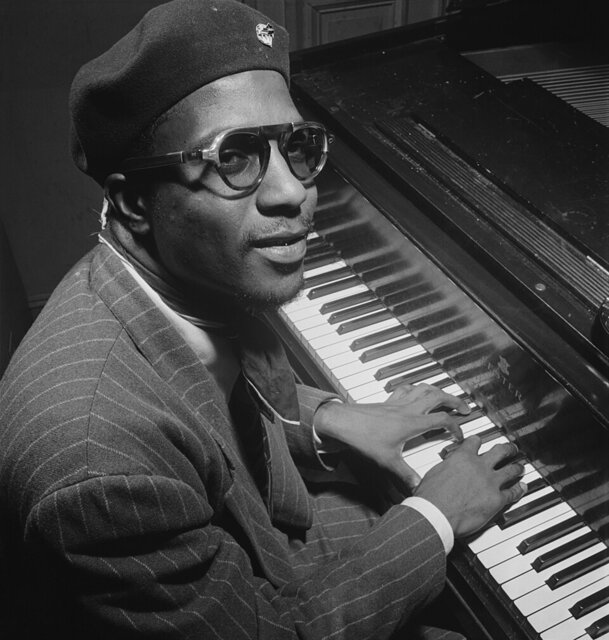
Pianist and composer of angular, indelible themes—Round Midnight, Straight, No Chaser, and more. A singular architect of modern jazz harmony.
Guitarist famous for thumb-picked octaves and melodic hard-bop solos. Moved from club jazz to broader popular success without losing swing.
Pianist and composer expanding post-bop with multimedia projects and historical jazz reimaginings.
Jason Moran. Photo: Hreinn Gudlaugsson. CC BY-SA 4.0 via Wikimedia Commons.
Trumpeter of The Sidewinder fame and Art Blakey’s Messengers. A charismatic hard-bop star with a bright, aggressive sound.
Lee Morgan, 1959. Photo: Herbert Behrens / Anefo. CC BY-SA 3.0 NL via Wikimedia Commons.
Trumpeter of the late bebop years whose round tone and harmonic fluency influenced Clifford Brown and hard-bop brass. Career cut short in 1950.
Fats Navarro. Photo: William P. Gottlieb. Public domain via Library of Congress / Wikimedia Commons.
Saxophonist, composer, and arranger of The Blues and the Abstract Truth. Bridged hard-bop small groups and sophisticated orchestral writing.
Alto saxophonist associated with M-Base and contemporary post-bop. Known for angular lines, electronics experiments, and mentorship of younger players.
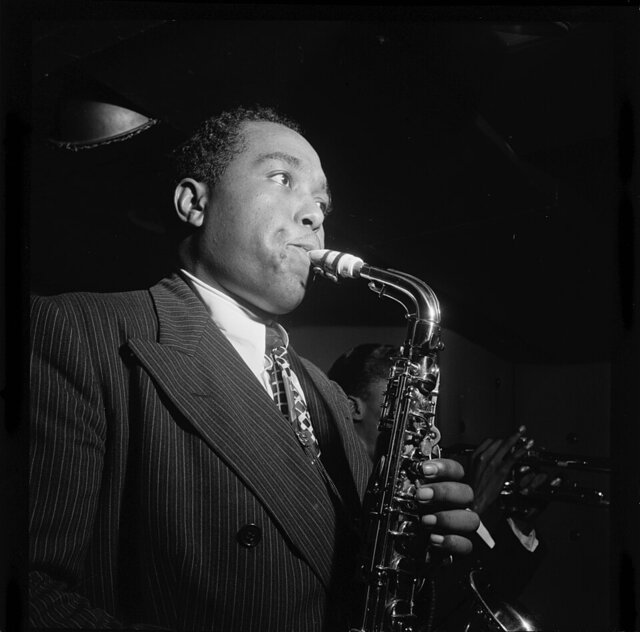
Alto saxophonist and bebop co-founder whose harmonic velocity set the modern jazz language. The fountainhead for hard-bop reed players who followed.
Pianist, composer, and Blue Note A&R figure behind many hard-bop sessions. Wrote enduring themes such as Cristo Redentor.
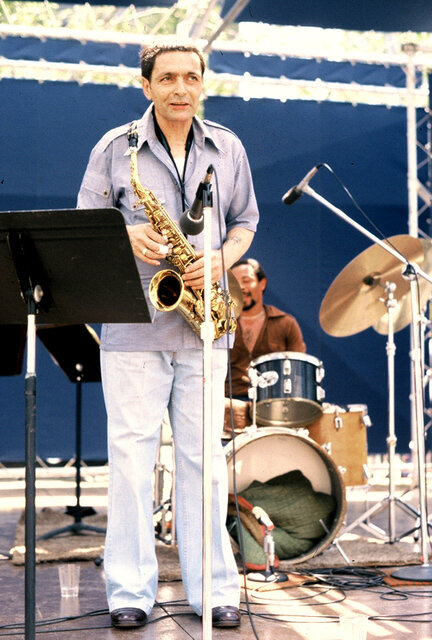
Alto saxophonist whose West Coast lyricism hardened into intense, confessional post-bop. Art Pepper Meets the Rhythm Section remains a classic.
Art Pepper, 1979. Photo: Nathan Callahan. CC BY 2.0 via Wikimedia Commons.
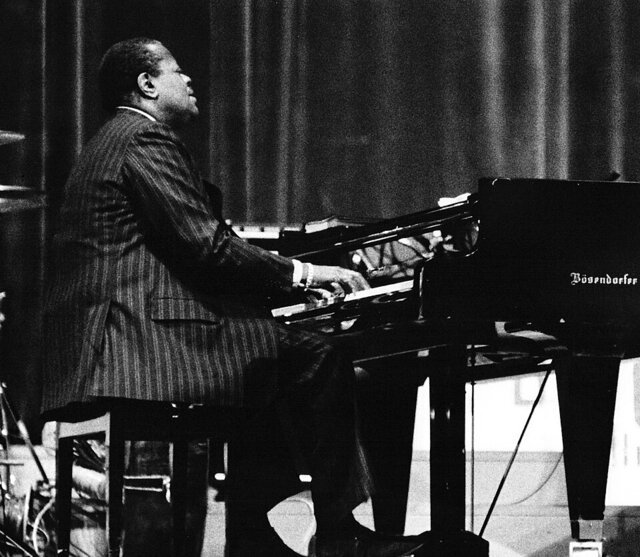
Pianist of dazzling technique and blues-rooted swing. Led celebrated trios and remained a global concert draw for decades.
Oscar Peterson, 1977. Photo: Hans Bernhard (Schnobby). CC BY-SA 3.0 via Wikimedia Commons.
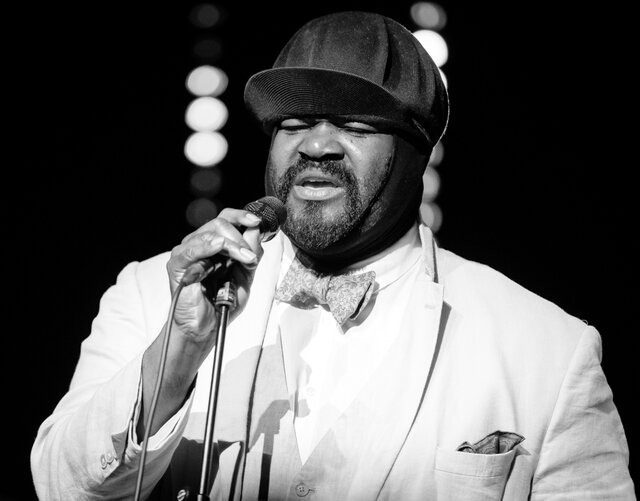
Vocalist whose warm baritone and songwriting connect contemporary jazz with soul and gospel roots.
Gregory Porter, 2018. Photo: Tore Sætre. CC BY-SA 4.0 via Wikimedia Commons.
Tenor saxophonist of the contemporary post-bop mainstream, with deep harmonic command. Frequent collaborator in small groups and large ensembles.
Pianist who translated Charlie Parker’s bebop language to the keyboard and defined modern jazz piano.
Tenor saxophonist with a big, bluesy sound who helped reconnect Blue Note to hard bop in the early 1960s. Also a talent scout for the label’s era.
Tenor saxophonist who brought hard-bop fluency to 1990s audiences and keeps evolving through acoustic and electric bands. A major contemporary leader.
Joshua Redman, 2017. Photo: Tore Sætre. CC BY-SA 4.0 via Wikimedia Commons.
Vocalist whose range spans standards, contemporary jazz, and original songwriting. Among the most decorated singers of modern jazz.
Multi-reed player and composer spanning hard bop, free jazz, and loft-era collectives. A restless explorer of form and ensemble color.
Drummer who helped invent bebop timekeeping, then co-led hard-bop and politically charged projects. Partner of Clifford Brown and Abbey Lincoln.
Tenor saxophonist of monumental improvisational stamina—Saxophone Colossus and beyond. A hard-bop giant still synonymous with thematic invention.
Sonny Rollins. Photo: Brian McMillen. CC BY-SA 3.0 via Wikimedia Commons.
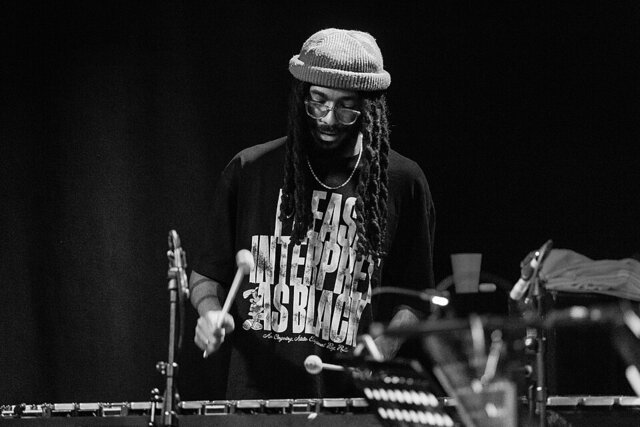
Vibraphonist of the contemporary scene, extending the instrument’s post-bop and modern lineage.
Joel Ross, 2023. Photo: Tore Sætre. CC BY-SA 4.0 via Wikimedia Commons.
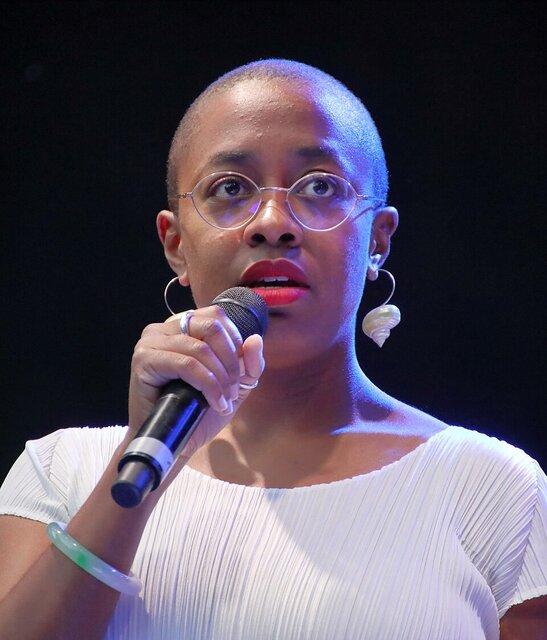
Vocalist acclaimed for interpretive depth and contemporary jazz storytelling.
Cécile McLorin Salvant, 2019. Photo: Schorle / LllC. CC BY-SA 4.0 via Wikimedia Commons.
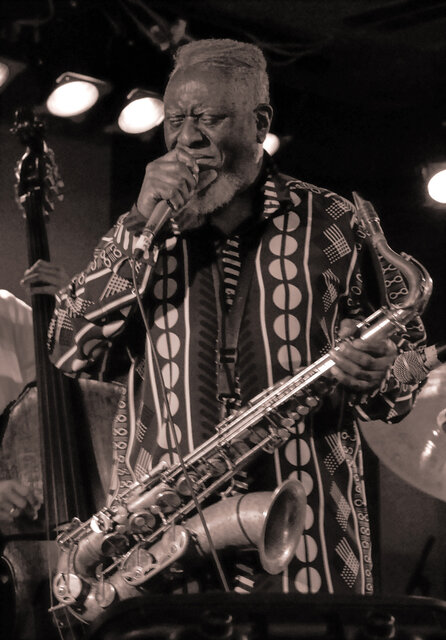
Tenor saxophonist of spiritual jazz, from Coltrane collaborator to The Creator Has a Master Plan. Overtones and cry became a modern vocabulary.
Pharoah Sanders, 2006. Photo: Dmitry Scherbie New York. CC BY-SA 2.0 via Wikimedia Commons.
Guitarist spanning post-bop, fusion, and funk-jazz. A Miles Davis alumnus and durable contemporary bandleader.
Organist central to soul-jazz and hard-bop organ-combo recordings of the 1950s–60s.
Trumpeter of advanced post-bop harmony and interval leaps. A major 1970s–80s brass voice whose influence outlasted his short life.
Woody Shaw. Photo: Tom Marcello Webster, New York, USA. CC BY-SA 2.0 via Wikimedia Commons.
Tenor saxophonist of the 1960s avant-garde who kept blues and speech-song close. A fiery voice of free jazz with deep historical roots.
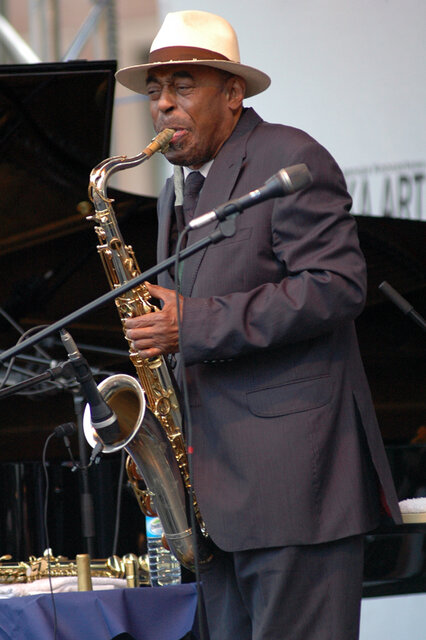
Archie Shepp. Photo: Henryk Kotowski. CC BY-SA 3.0 via Wikimedia Commons.
Saxophonist-composer of Miles’s second great quintet and Weather Report; later led a celebrated acoustic quartet. Among jazz’s greatest writers.
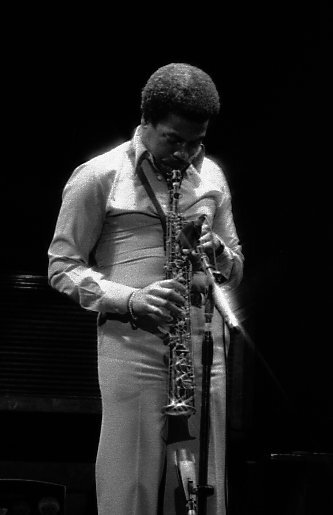
Wayne Shorter, 1977. Photo: Jean-Luc. CC BY-SA 2.0 via Wikimedia Commons.
Pianist-composer who coined much of hard bop’s funky, gospel-tinged language. Song for My Father and The Preacher are genre pillars.
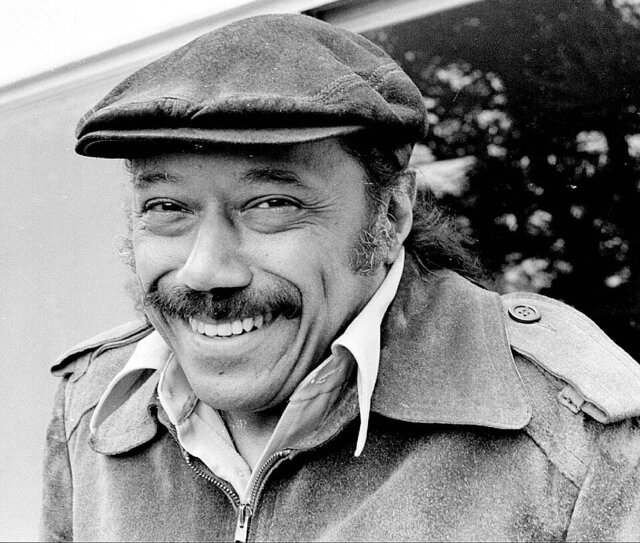
Horace Silver by Dimitri Savitski, 1989. CC BY-SA 3.0 via Wikimedia Commons.
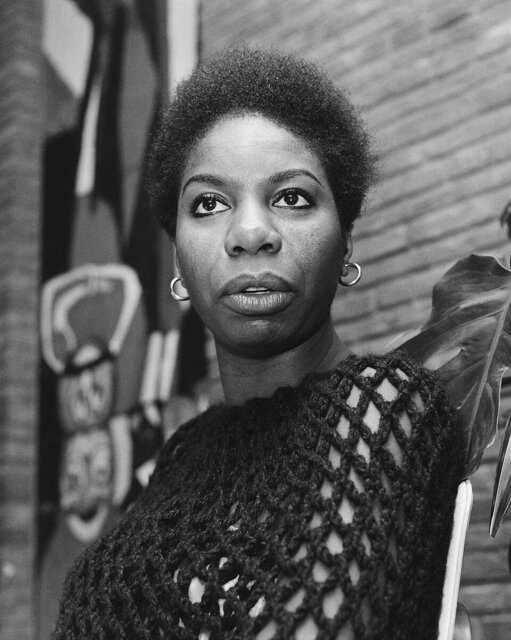
Vocalist and pianist whose repertoire fused jazz, classical, blues, and civil-rights-era songwriting.
Nina Simone, 1965. Photo: Ron Kroon for Anefo Restored by Bammesk. CC0 via Wikimedia Commons.
Hammond B-3 pioneer who fused bebop lines with blues and gospel. Defined soul-jazz organ for clubs and hard-bop rhythm sections.
Bassist, vocalist, and composer who brought contemporary jazz to wide audiences. Grammy-winning work spans acoustic ensembles and conceptual albums.
Esperanza Spalding, 2026. Photo: Løken. CC BY-SA 4.0 via Wikimedia Commons.
Saxophonist who carried Charlie Parker’s language onto alto and tenor with fierce consistency. A tireless hard-bop stylist and jam-session legend.
Sonny Stitt. Photo: Tom Marcello Webster, New York, USA. CC BY-SA 2.0 via Wikimedia Commons.
Pianist whose percussive free improvisation redefined the instrument’s role. A foundational force of the avant-garde with classical intensity.
Cecil Taylor, 2008. Photo: Michael Hoefner. CC BY 3.0 via Wikimedia Commons.
Trumpeter and flugelhornist bridging swing, bebop, and hard bop with warmth and humor. Beloved educator and elder statesman.
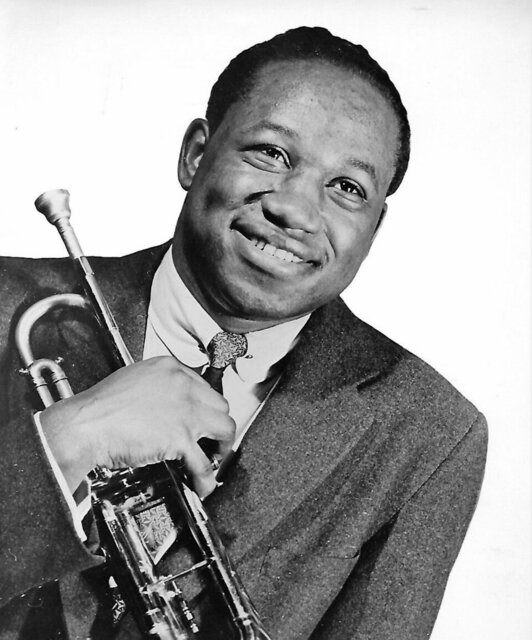
Clark Terry, 1981. Photo: Brian McMillen. CC BY-SA 3.0 via Wikimedia Commons.
Pianist-composer of Moanin’ and other hard-bop anthems for Art Blakey’s Messengers. Gospel and blues cadences defined his touch.
Trumpeter and Strata-East co-founder who carried hard bop into independent, politically aware post-bop. Continues to perform and record.
Tenor saxophonist with a big, bluesy hard-bop sound that later crossed into CTI-era soul jazz. A crowd-pleasing yet serious improviser.
Pianist of Coltrane’s classic quartet, famed for quartal harmony and thunderous left hand. A pillar of modal and post-bop piano.
McCoy Tyner, 1973. Photo: Copyright (c) 1973 Gisle Hannemyr. CC BY-SA 3.0 via Wikimedia Commons.
Guitarist who applied Ornette Coleman’s harmolodics to electric blues-jazz. A raw, contemporary voice bridging free jazz and funk.
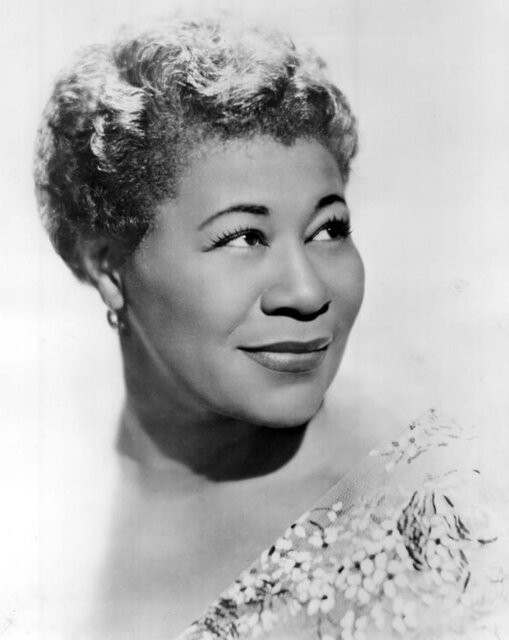
Vocalist of operatic range and bebop fluency, nicknamed “Sassy” and “the Divine One.” Set a gold standard for jazz singing.
Bassist and Weather Report co-founder whose European classical grounding met post-bop and fusion. Continues as a distinctive acoustic voice.
Pianist-composer of hard-bop themes such as Bolivia. Jazz Messengers alumnus and a lifelong trio and quintet leader.
Cedar Walton, 2001. Photo: Sven.petersen. Public domain via Wikimedia Commons.
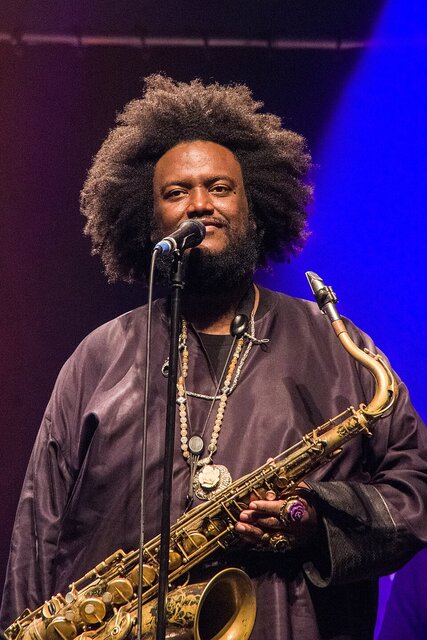
Tenor saxophonist associated with contemporary large-ensemble and spiritual-jazz listening waves.
Kamasi Washington, 2019. Photo: Ice Boy Tell. CC BY-SA 4.0 via Wikimedia Commons.
Pianist-composer who linked African rhythmic heritage with modern jazz harmony. A lifelong explorer of pan-African musical identity.
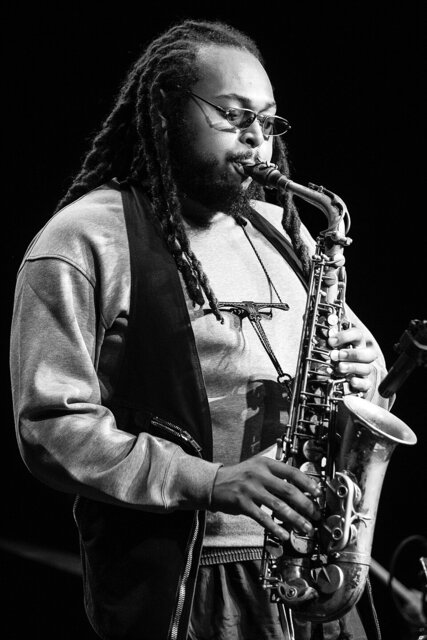
Alto saxophonist whose contemporary groups have made him a leading emerging voice on the instrument.
Immanuel Wilkins, 2025. Photo: Tore Sætre. CC BY-SA 4.0 via Wikimedia Commons.
Pianist, arranger, and composer who spanned swing to bebop and sacred jazz. Mentored younger modernists while remaining a fearless improviser.
Drummer who exploded time feel in Miles Davis’s second great quintet, then pioneered jazz-rock with Lifetime. A modern drumming watershed.
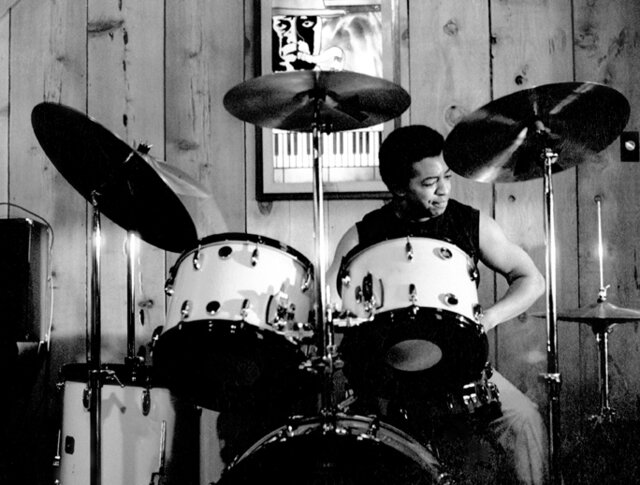
Tony Williams. Photo: Brian McMillen. CC BY-SA 4.0 via Wikimedia Commons.
Vocalist who reframed standards and blues with contemporary production and deep Southern roots. A defining modern jazz singer.
Organist who took the B-3 beyond soul jazz into modal and free territory (Unity). Later a fusion pioneer with Tony Williams Lifetime.
Tenor saxophonist whose light, floating tone shaped cool and modern approaches after the swing era. Pres’s language echoes through hard bop.
Keyboardist-composer from Cannonball Adderley’s band to Weather Report. Wrote Mercy, Mercy, Mercy and helped invent jazz-fusion’s electric palette.
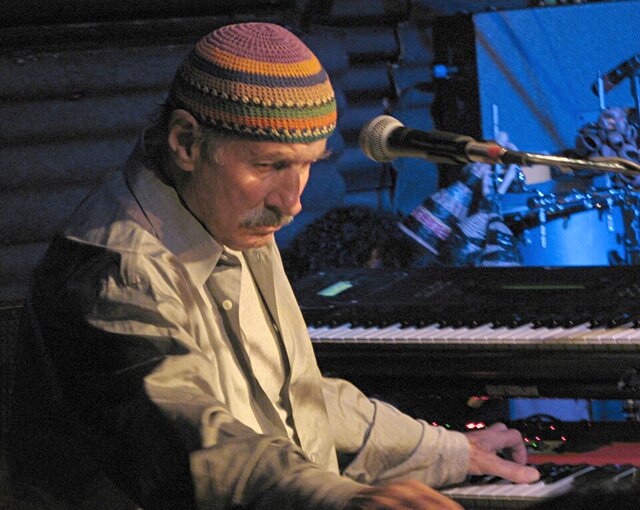
Joe Zawinul, 2007. Photo: Alex Ex. CC BY 2.5 via Wikimedia Commons.
Portraits are Wikimedia Commons / Wikipedia files under free licenses (CC BY, CC BY-SA, CC0, or Public Domain). Images resized for the site; see each credit for author and license.